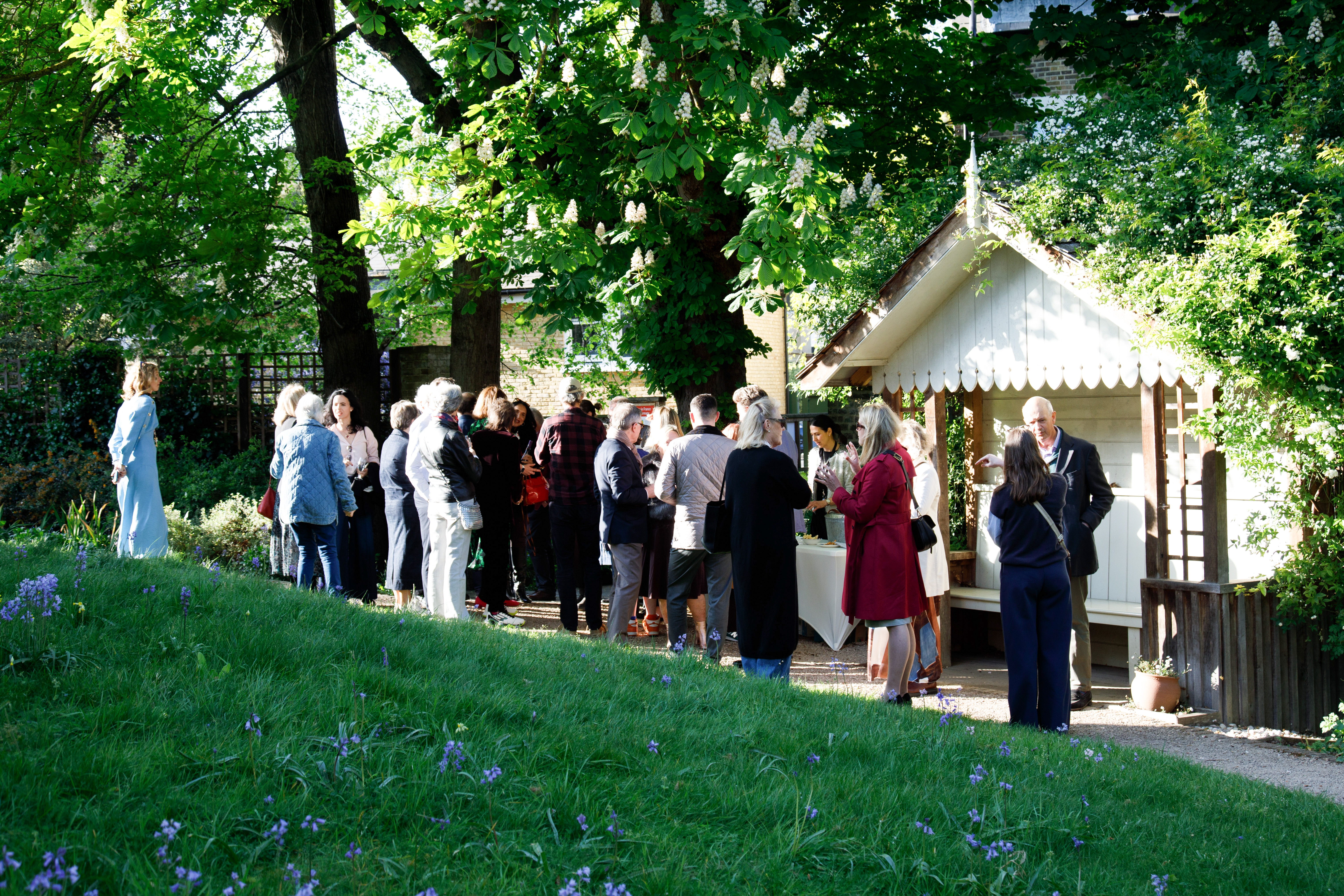
Turner sold the house in 1826 and therefore the current collection does not include items owned by him. Indeed, there are no images of the interior of the house to show us what he would have had on his walls. The collection at Turner’s House includes many fine prints from his Liber Studiorum series and spans the breadth of his career, covering many of the themes and subjects to which he would return repeatedly.
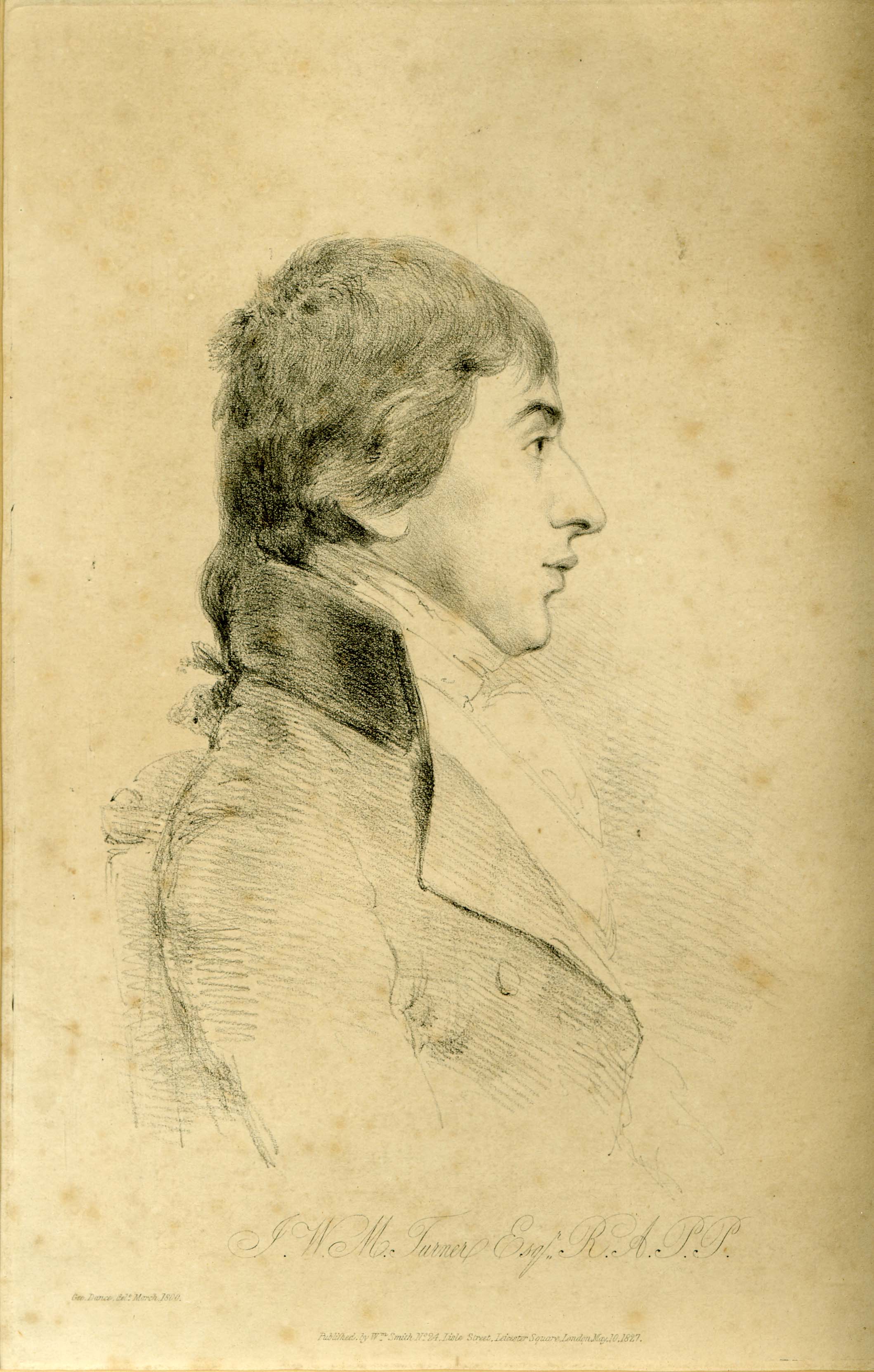
Dance’s drawing of 1800, published by William Smith in 1827, shows Turner at the age of 25, the same age as his famous self-portrait. The drawing from which this print was made is reputed to be the only portrait for which he sat. Later artists wishing to capture Turner’s likeness were forced to observe him surreptitiously. By the time the print was produced, he had become a full Academician and Professor of Perspective. Young Turner is well-turned out, his hair probably dressed by his father, a barber and wigmaker. He is the essence of a successful young man. Apparently, Turner was sensitive about his nose which may explain why his self-portrait shows him facing out of the canvas. Dance, who trained as an architect rather than as an artist, produced a series of drawings of RAs, most of which were made into prints, no doubt with the intention of publishing them.
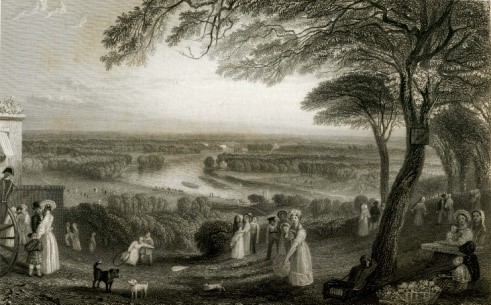
This view is from the top of Richmond Hill, across the ‘Matchless Vale of the Thames’. Turner knew and loved the Thames, having stayed in the Thames-side market town of Brentford as a boy. He rented houses along the Thames and, in the early 1800s embarked on a series of sketching journeys along the river. His purchase of land in Twickenham was undoubtedly influenced by his deep relationship to the river. He was also a lover of poetry, in particular the work of the Scottish poet James Thomson, who celebrated the view that Turner recreates.
This view of the Thames would appear in several of Turner’s completed oils – sometimes posing as other rivers or as part of scenes of classical mythology. The throng of people enjoying the view include some wealthy enough to run a grand coach and footman, some middle-class strollers, children and a poor fruit seller, with lively dog encounters as well. Below on Petersham Meadows, a game of cricket is played. Visitors to Richmond Hill will see that the view remains largely unchanged.
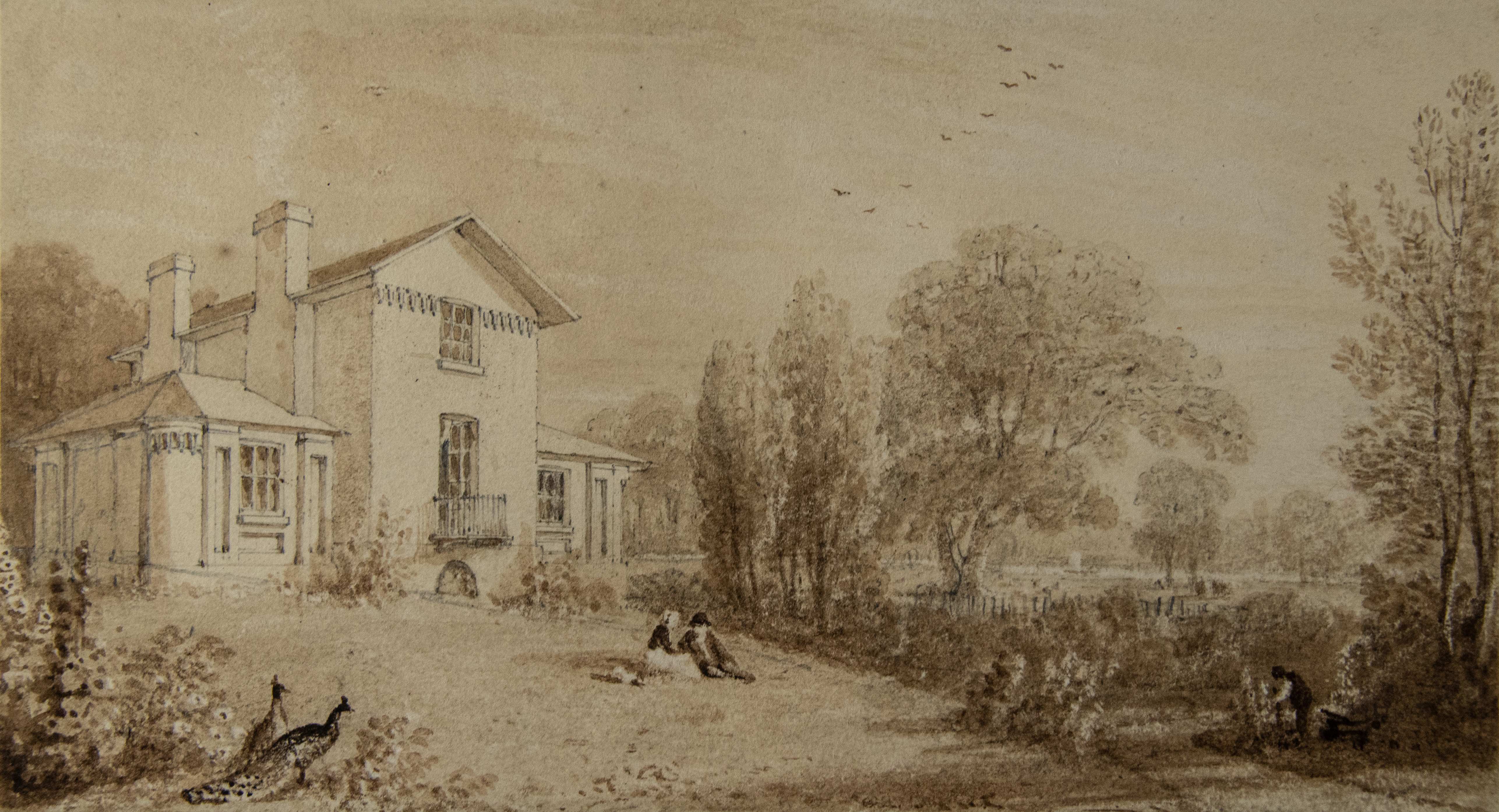
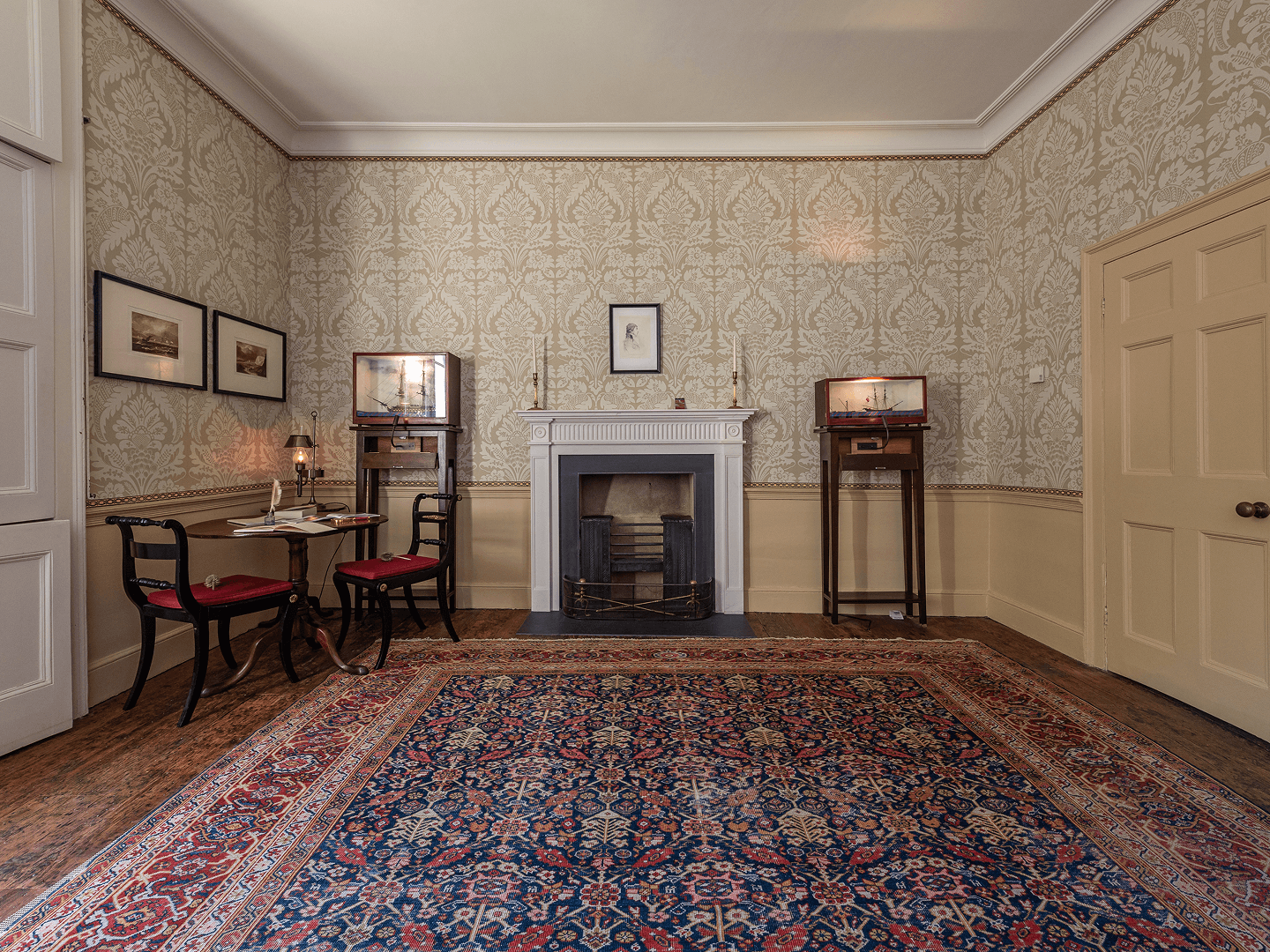
Before the house was restored prior to being opened as a museum, it was rumoured that Turner had painted in the Drawing Room. It remains a room with wonderful natural light. However, analysis of samples taken from the original floorboards did not discover any traces of oil paint. If Turner worked here, it was in watercolours, pencils or on engravings. Neither Turner, nor any of the artist friends that he invited to the house, seems to have recorded it. The exception was his friend William Havell.
Havell was born in Reading and painted many views along the Thames, including several of the Richmond area. This pencil-and-brown-wash drawing shows the house soon after it was completed. Havell clearly has ‘re-arranged’ the landscape, showing the river much closer and in the wrong position than it really is. The reason for this must be that it was for inclusion in the engraver W. B. Cooke’s Thames Scenery, and that Cooke wanted to justify this. The figures in the foreground have been described as Turner and a lady friend while the figure gardening on the right has been thought of as Turner’s father. None of these attributions are confirmed.
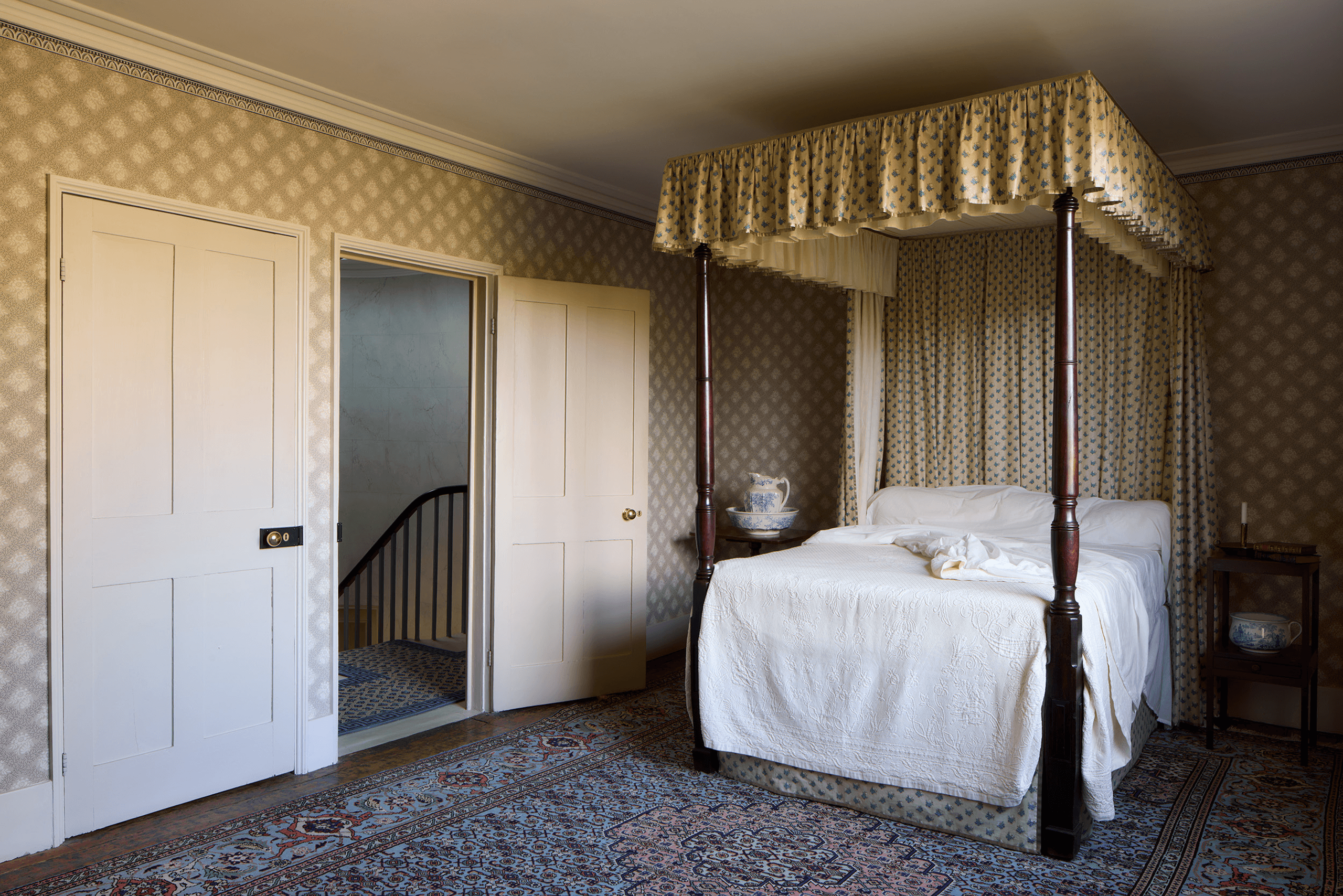
Discover the intimacy of J.M.W Turner by stepping in to the house he designed himself.
Learn more

Sandycombe Lodge was built by 1813 to the designs of England’s great landscape painter, J.M.W. Turner; working here as his own architect to create a quiet retreat for himself.
Learn more
Turner’s House Trust is a registered charity 1111653 and is registered with Companies House.
Learn more
Be first to hear about new exhibitions, events and talks.