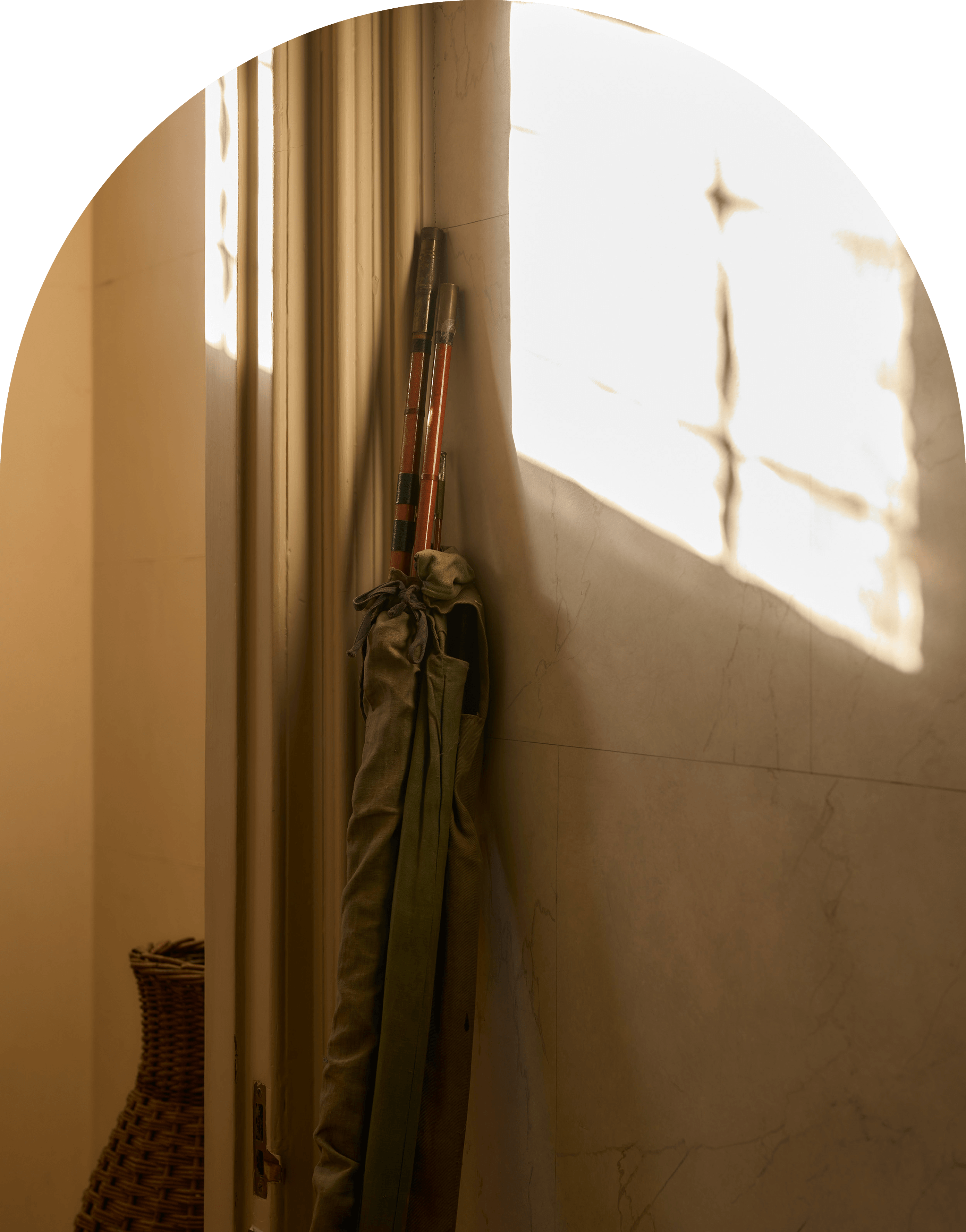
Sandycombe Lodge was built by 1813 to the designs of England’s great landscape painter, J.M.W. Turner; working here as his own architect to create a quiet retreat for himself, away from the pressures of the London art world. Discover the fascinating history of the place he called home.
In 1807 J.M.W. Turner, then a young but already well-known and commercially successful painter, bought two plots of land on the edges of two large estates between Twickenham and Richmond Bridge. It was six years before he finally built Sandycombe Lodge on the larger plot, to his own designs, which can be traced through his sketchbooks, now part of the Turner bequest at Tate Britain. Here he fulfilled his wish – he apparently said that if he could have his life again, he would have been an architect. Turner installed his father, Old William, who tended the Sandycombe garden and kept house. Turner used this peaceful spot, with no other buildings nearby, to retreat from the pressures of the London art world, to walk and sketch along the Thames, to fish with one or two close companions, and occasionally to entertain larger groups of friends.

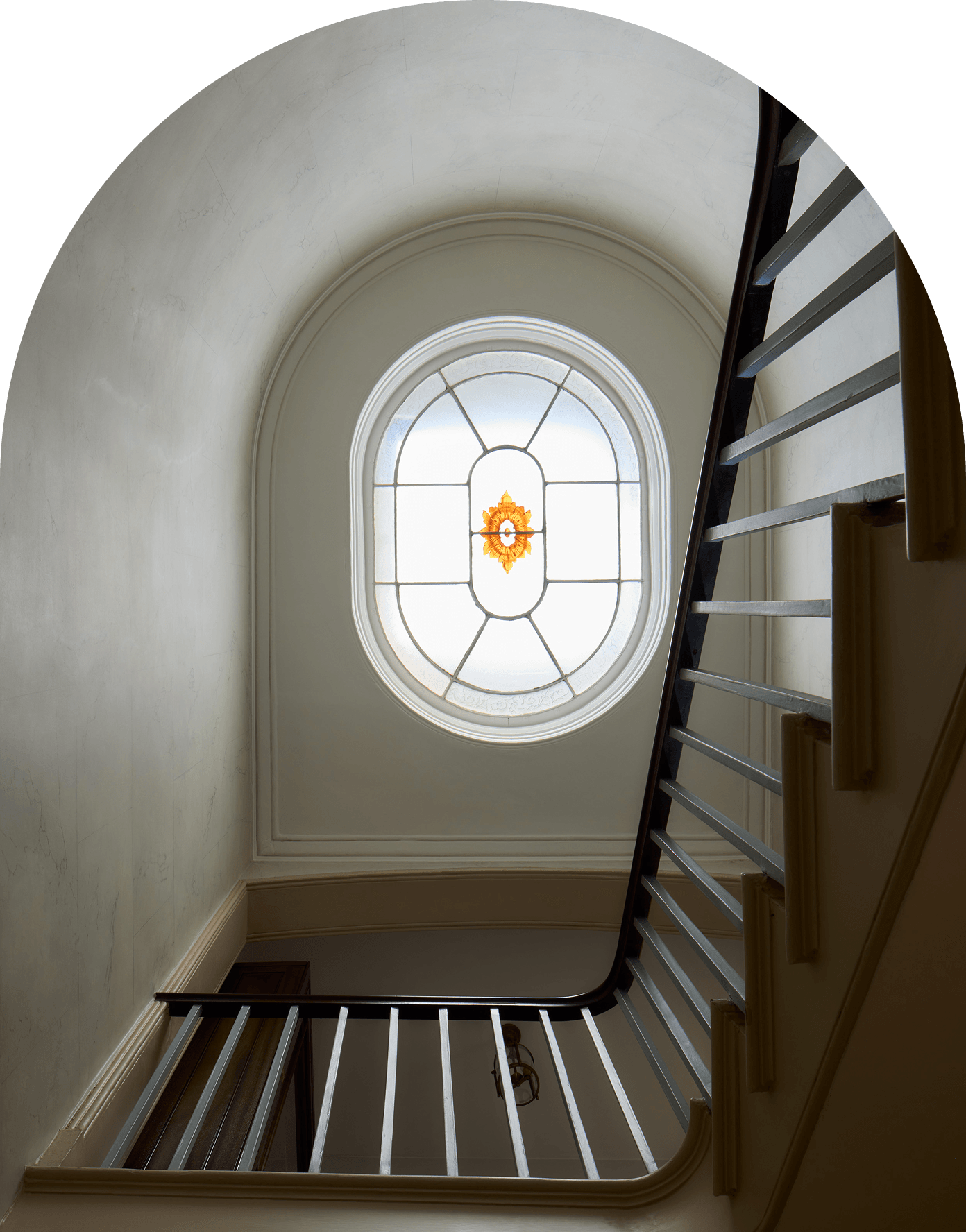
One of the fishing companions was John Soane, 20 years older than Turner, and a fellow Royal Academician. Soane was the architect of the Bank of England, and many other prestigious commissions. His influence on Turner’s designs at Sandycombe was very strong, particularly seen in the series of arches in the small entrance hall and corridor, and in the graceful top-lit stair. It would have taken Turner about half an hour to walk to the top of Richmond Hill, sketchbook in hand, and the Arcadian landscape on this part of the Thames inspired a number of beautiful paintings, the most expansive being England: Richmond Hill on the Prince Regent’s Birthday, painted in 1819 (Tate Britain).
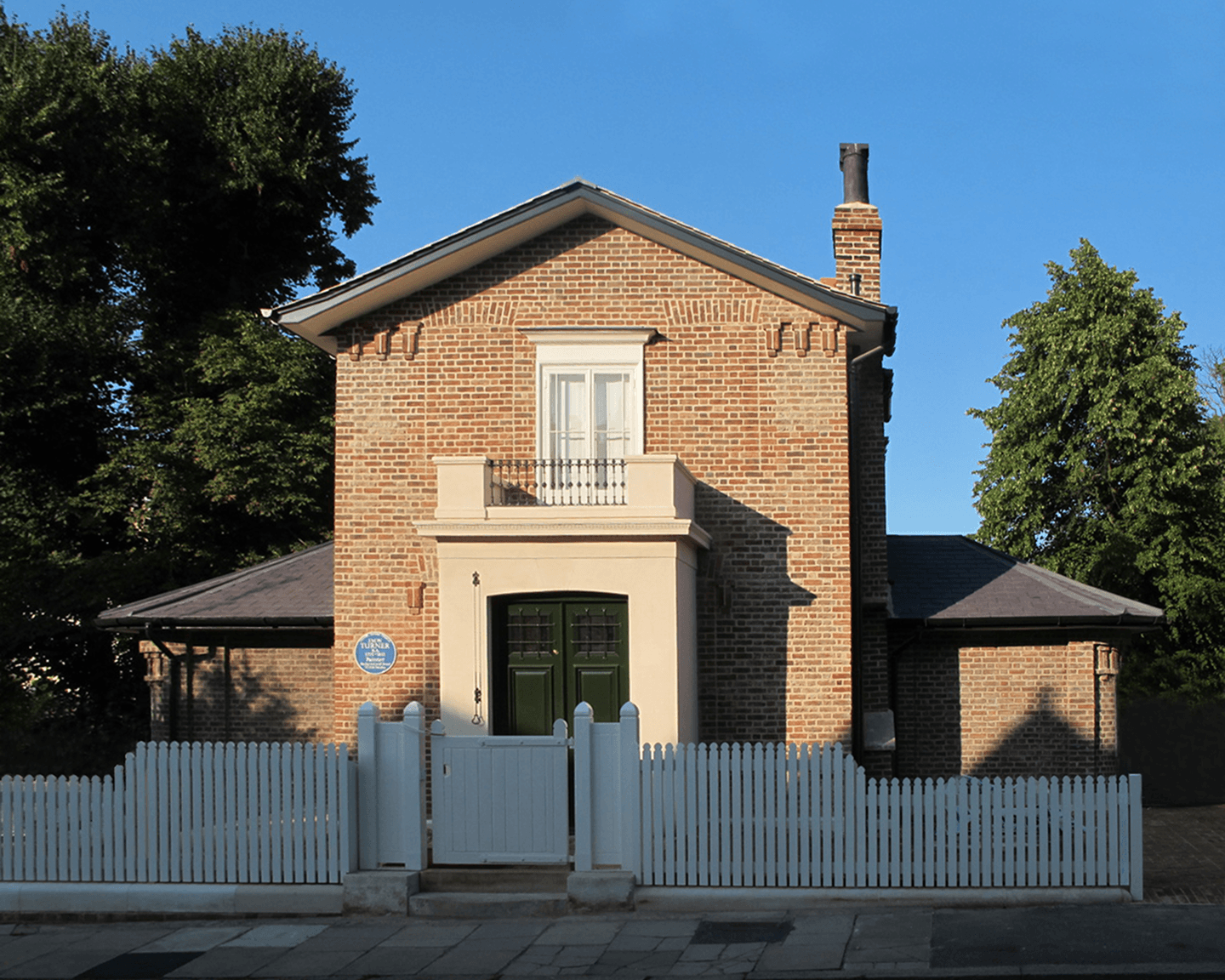
In 1826 Turner sold Sandycombe Lodge to his nearest neighbour, Joseph Todd, the owner of Twickenham Park. Todd enlarged the little villa and it was rented out, then sold many times over the next 100 years. From the 1880s onwards, the large grounds diminished as a new suburb, St Margarets, grew up around the railway station.
In World War ll Sandycombe became a ‘shadow factory’, where airmen’s goggles were made. The use of heavy sewing machines damaged the house badly and it was in a very poor state when in 1947 it was bought by Professor Harold Livermore and his wife Ann. They were careful custodians of the house and its precious heritage, and well-informed collectors of art relating to Turner and his time . In the 1950s they secured Grade 2* listing for the building. Professor Livermore set up The Sandycombe Lodge Trust, now Turner’s House Trust, in 2005 and on his death at the age of 95 in 2010, the Trust became the owner of Sandycombe.
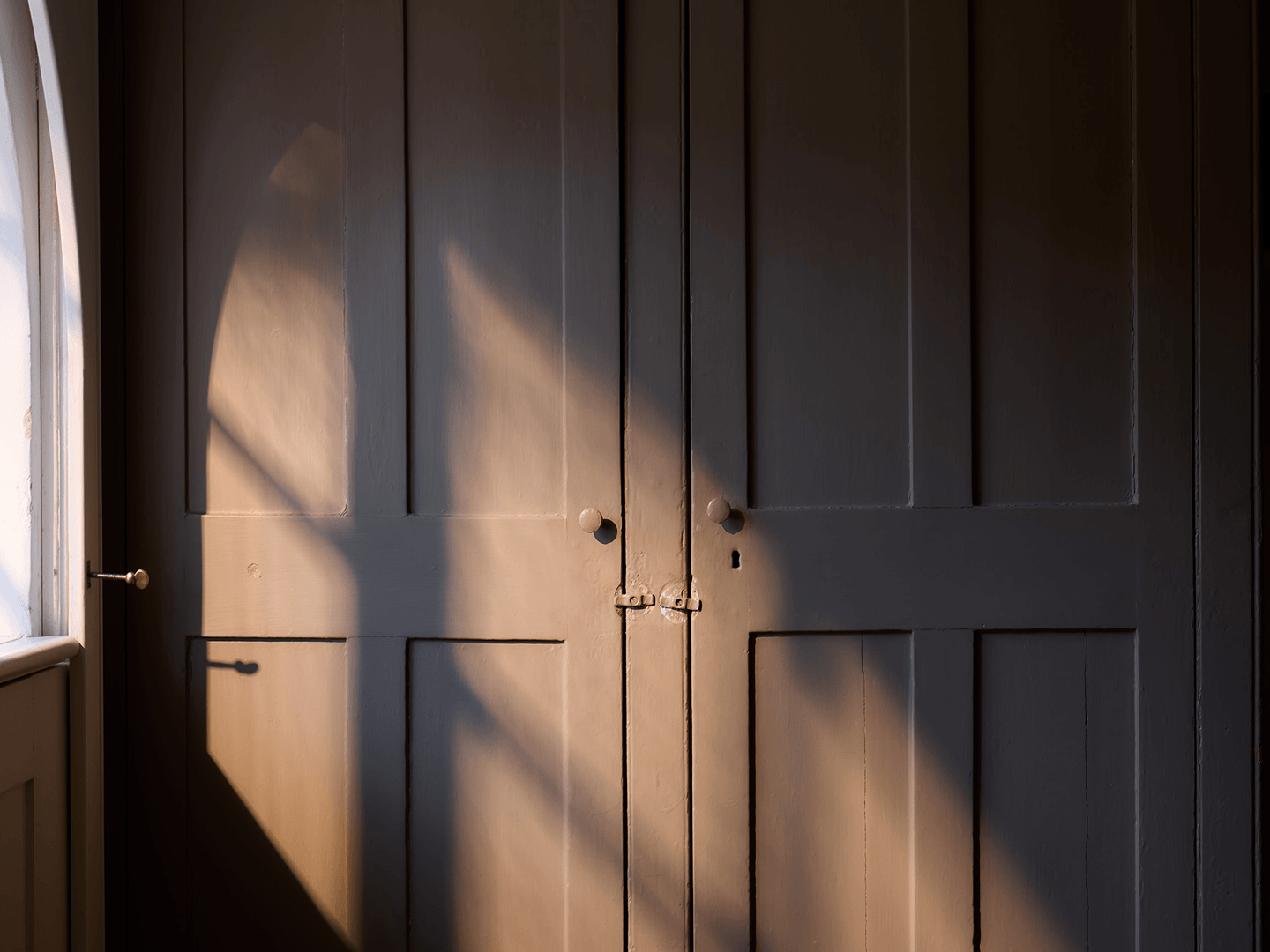
Turner’s House Trust was faced with immediate challenges: the roots of yew trees planted close to the house brought rot, and damp from failing gutters and downpipes caused a succession of ceiling drops. Our plans for conservation of the house and for presenting to the public as a small historic house of great significance were carefully drawn together, and our application to the Heritage Lottery Fund was successful. This allowed us to appoint Gary Butler (Butler Hegarty Architects) as our conservation architect, and to begin the extremely hard work of securing £2.4m for plans to go ahead. A further grant of £1.4m from the Heritage Lottery Fund, and funds raised from generous foundations and individuals (see our donors’ page for details). Our goal was reached in April 2016, and work began at that time.
An important decision had to be made early on. Would we retain the house as it stood, or would we remove the additions of upper rooms and extensions that had been added to Turner’s own design? We chose to return to Turner’s intentions, drawing on the evidence of his own later sketches (Tate Britain Turner Bequest D08966 TB CXXVll 2), the drawing of c. 1814 by William Havell, and the evidence already visible in the building itself.

During the early stages of conservation work some amazing discoveries were made, making us rethink what we thought we knew about the appearance of Turner’s House. As we had all known it, Sandycombe was rendered stucco, and this seemed to be borne out by Havell’s drawing. But when upper rooms were removed there was no trace of render or paint. When more render was removed, it became apparent that when first built for Turner, Sandycombe was an unrendered and handsome brick building, with careful ‘penny line’ pointing.
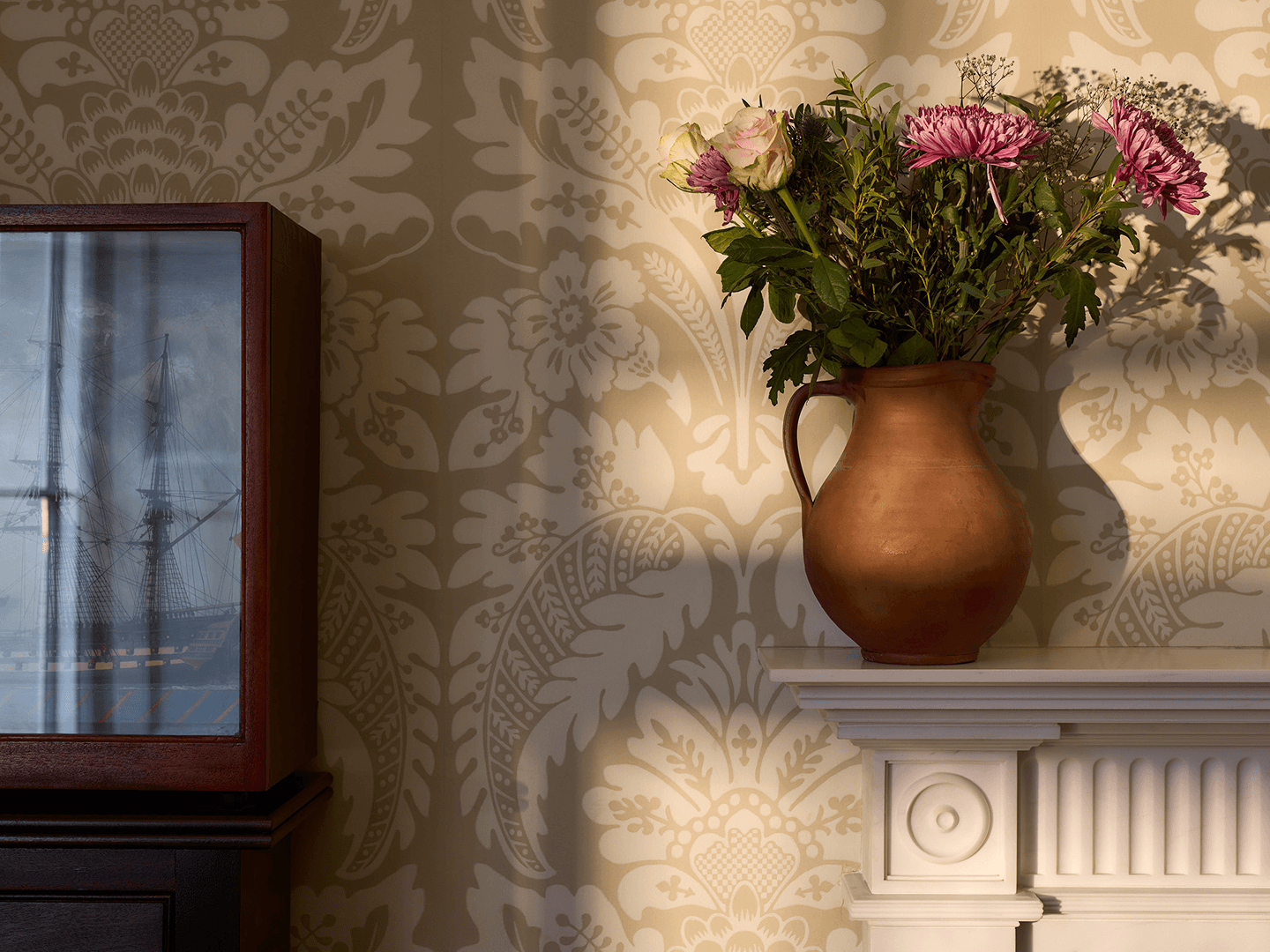
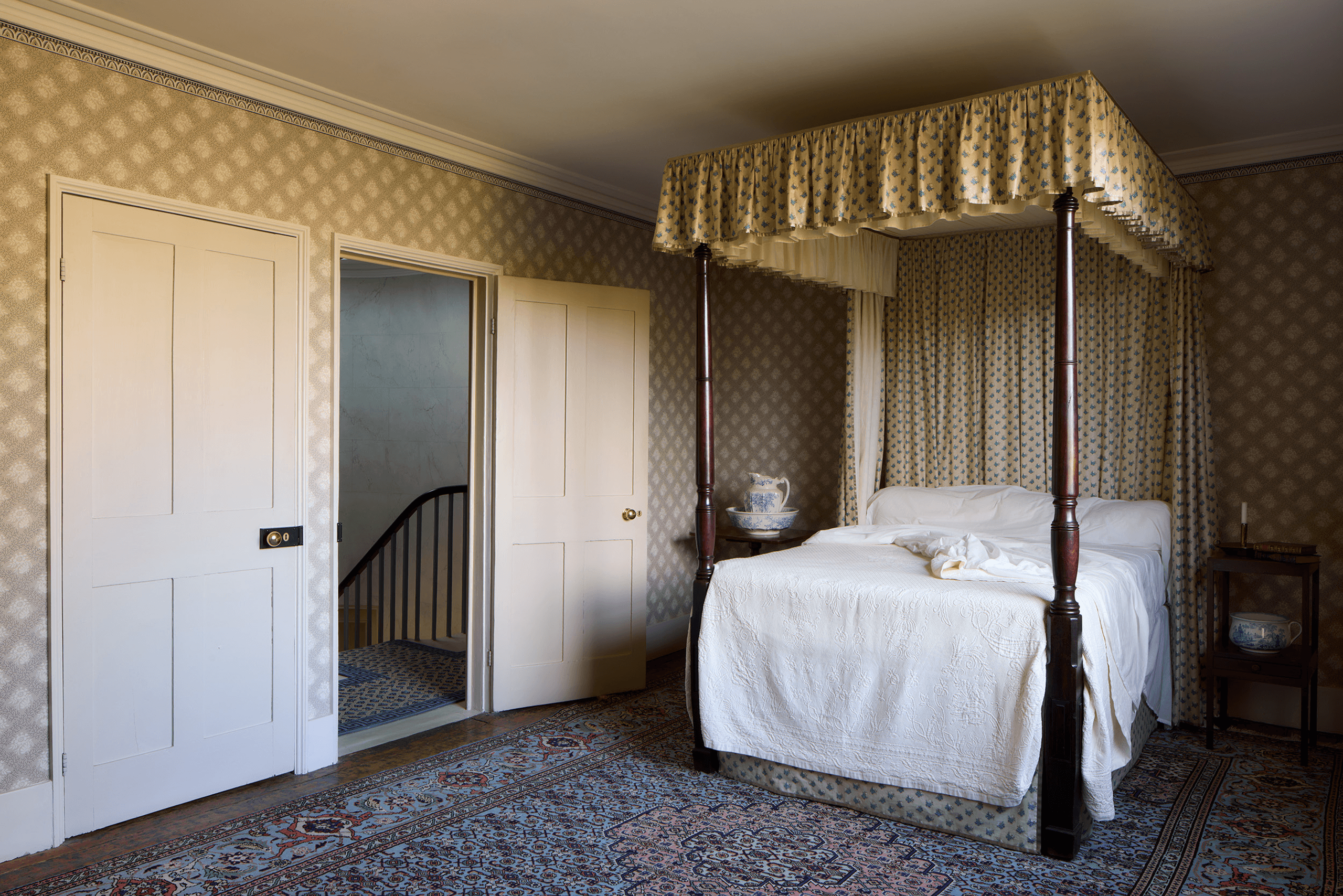
Some fascinating objects were found within the wallspace of the first floor corridor, which had probably fallen through from the roofspace, including fragments of children’s drawings and toys from a later period than Turner’s occupation. But most interestingly this little treasure trove included a scrap of early wallpaper, incomplete and very dirty, but just sufficient to allow recreation of the design which is now hung in the large bedroom. Paint analysis has been a valuable source of information and has allowed us to find some original wall colours and to recreate the early delicate marbling of the hall and stairs.
Conservation of Sandycombe Lodge was completed in the Summer of 2017, with its brickwork beautifully restored, and all the results of careful conservation study and craftsmanship visible in the joinery, plasterwork and paint finishes. We hope that our visitors will enjoy the experience of discovering this lovely little building, and learning more about the life and work of J.M.W. Turner, one of England’s greatest painters.
Discover the intimacy of J.M.W Turner by stepping in to the house he designed himself.
Learn more
Turner’s House Trust is a registered charity 1111653 and is registered with Companies House.
Learn more

Sandycombe Lodge was built by 1813 to the designs of England’s great landscape painter, J.M.W. Turner; working here as his own architect to create a quiet retreat for himself, away from the pressures of the London art world.
Learn more
Be first to hear about new exhibitions, events and talks.